One Meter. Two Nozzles. Twelve Filaments.
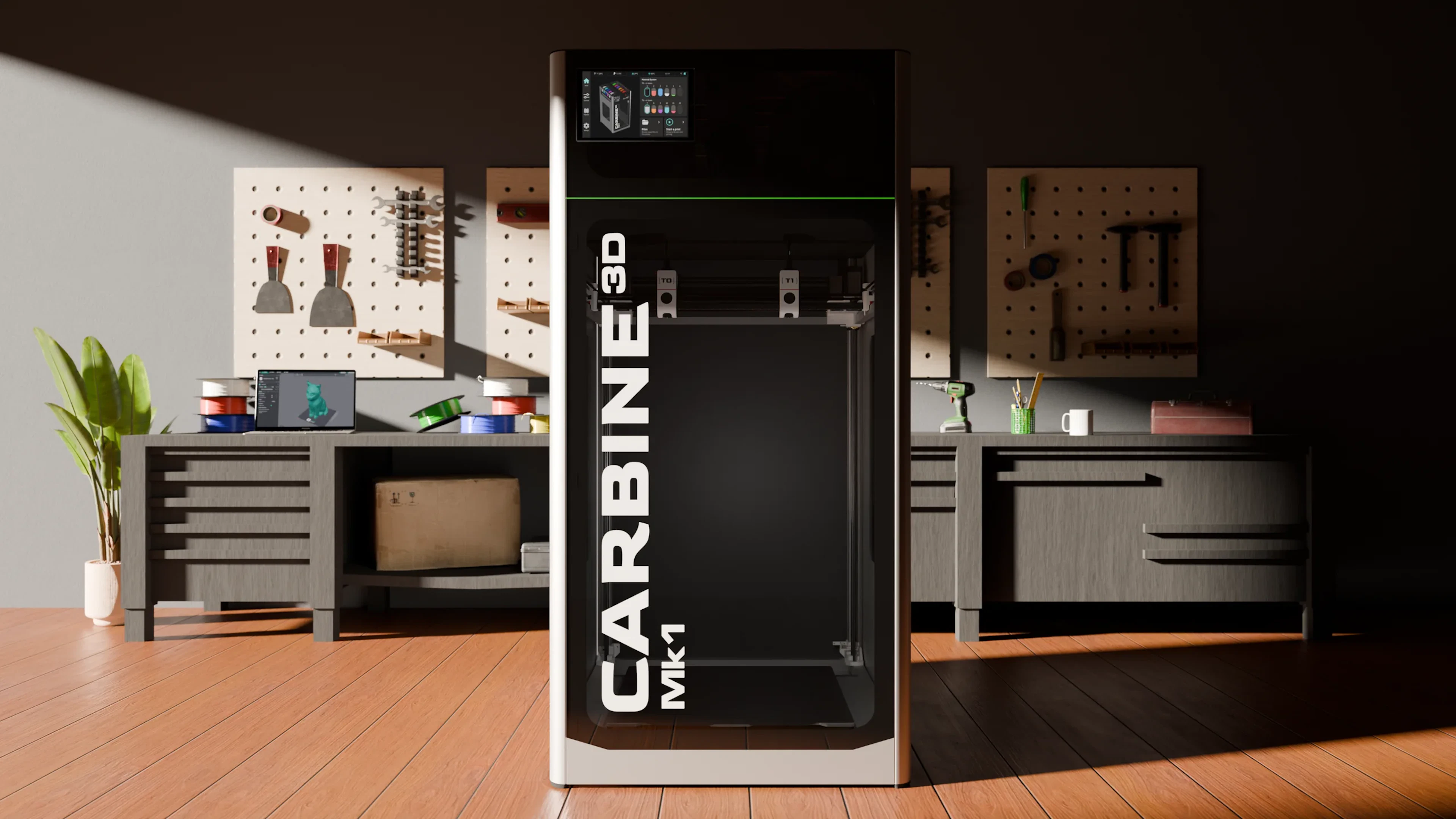
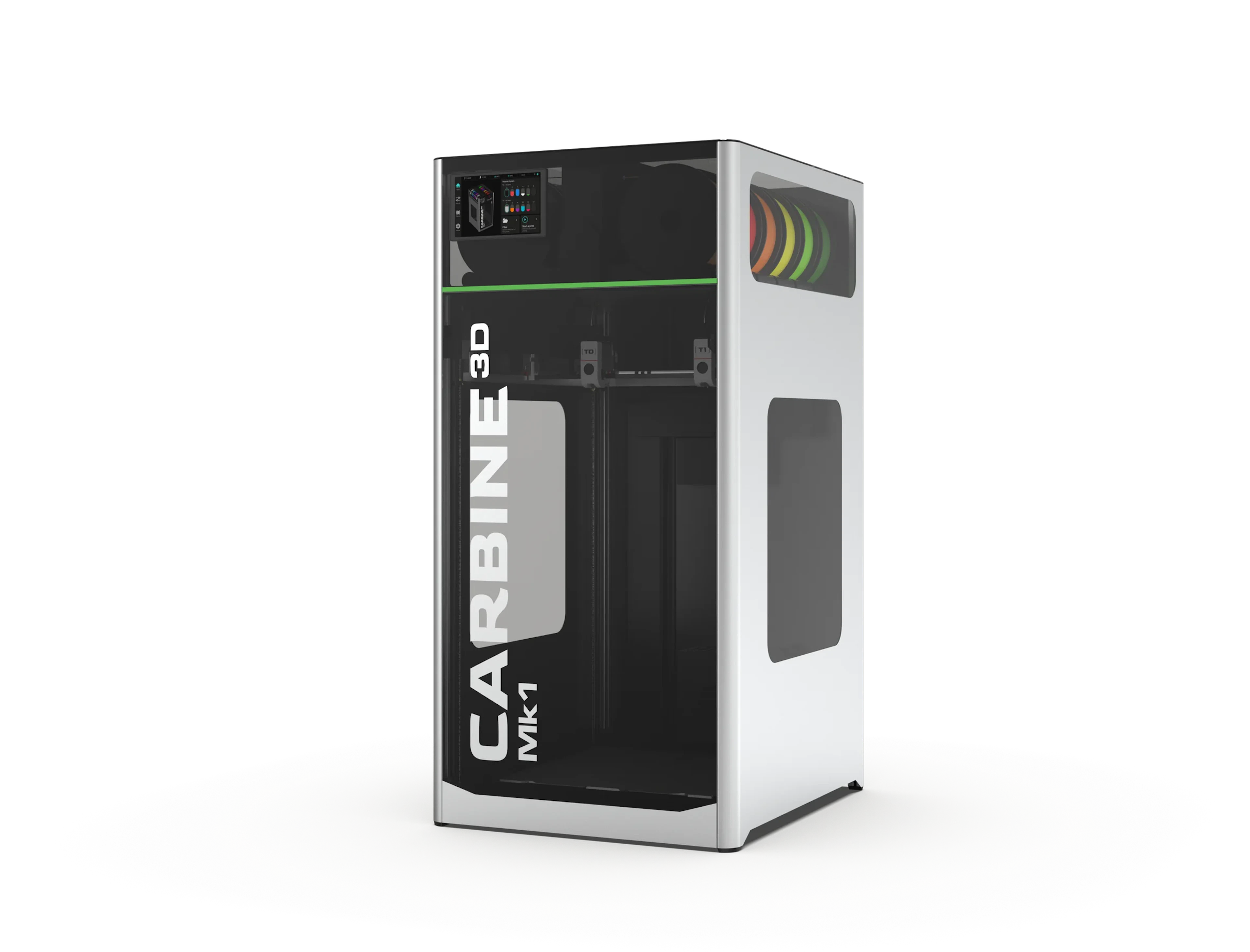
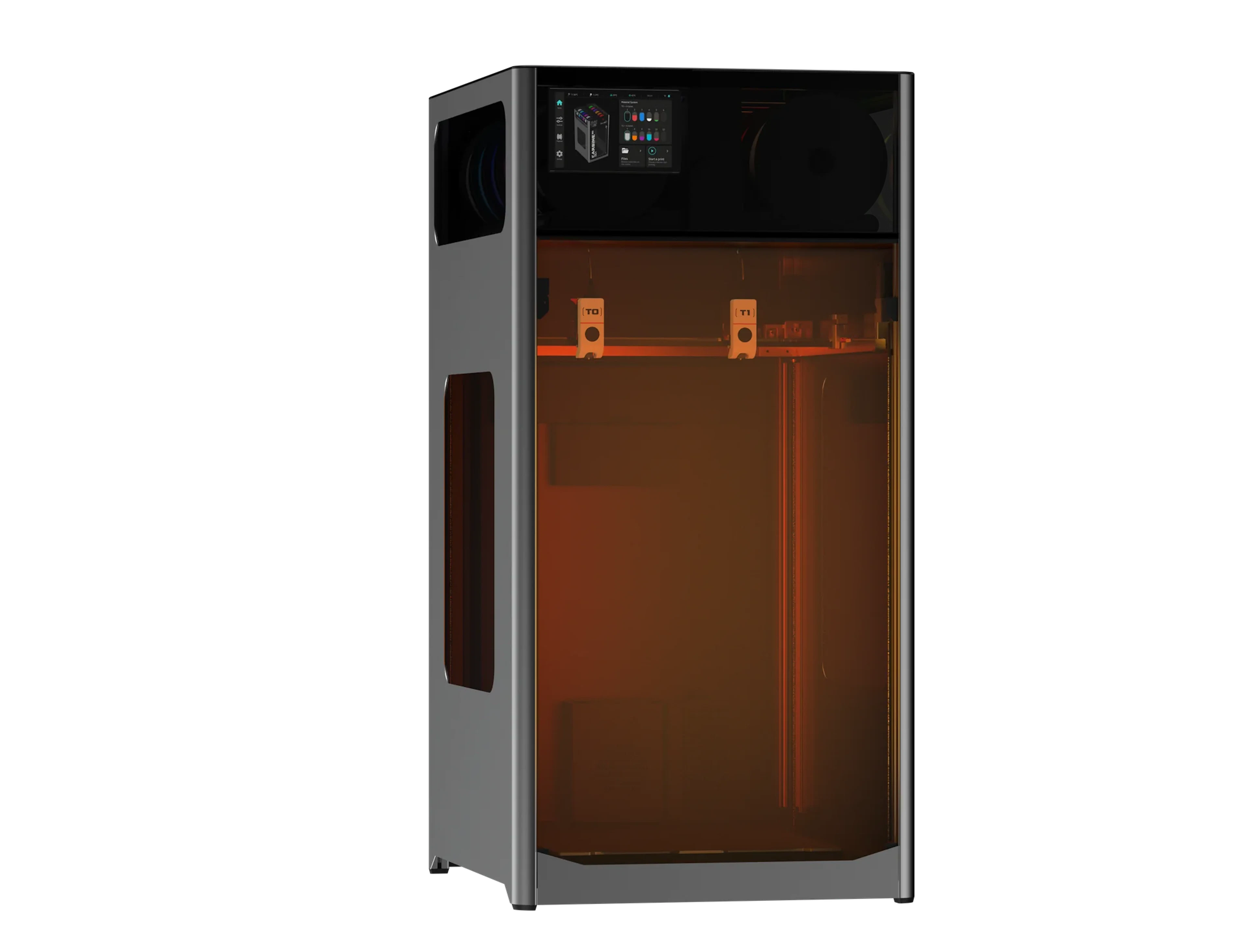
The Carbine3D Mk1 prints full-size, full-color, full-material — in one piece.
Color & material
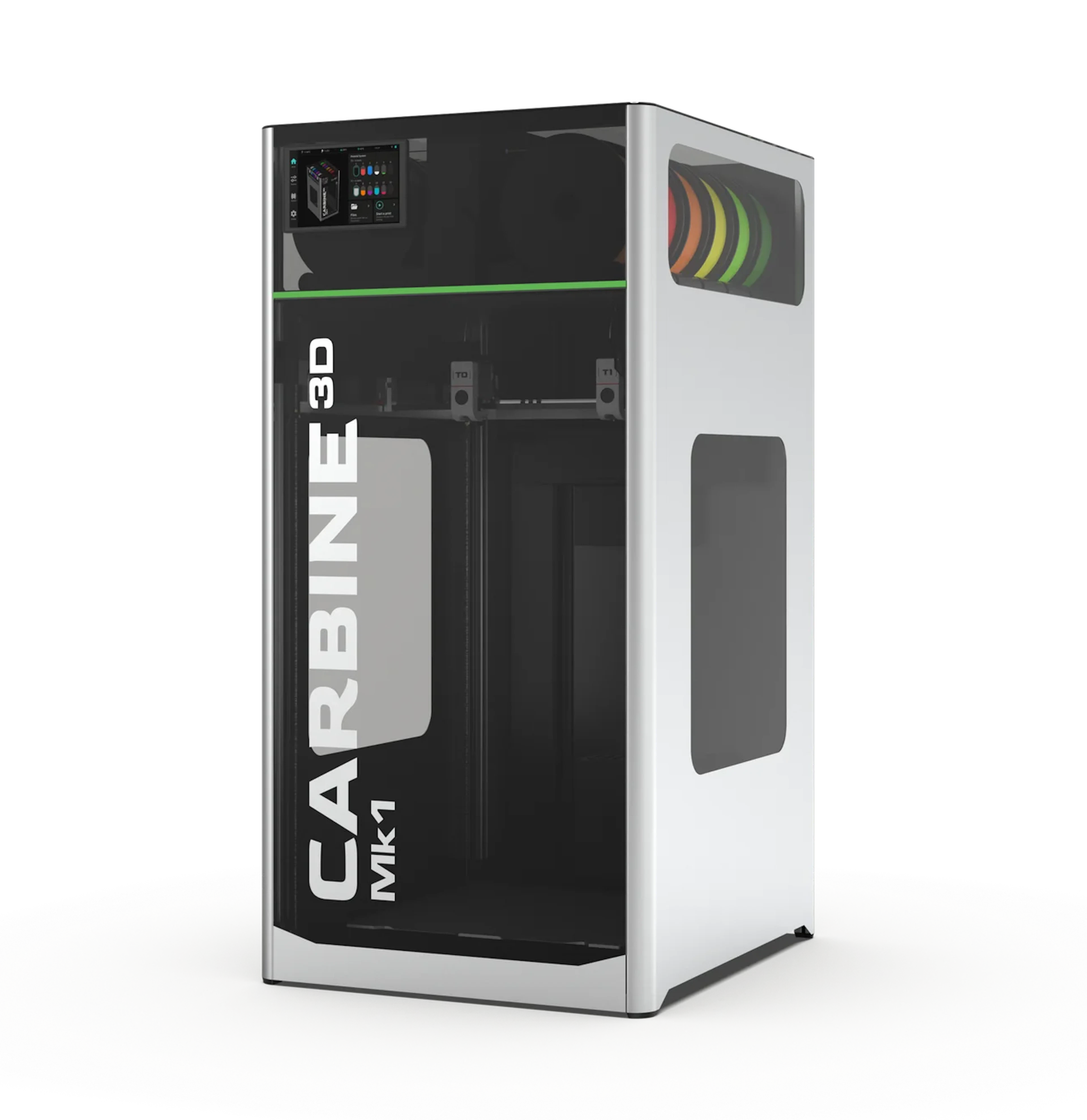
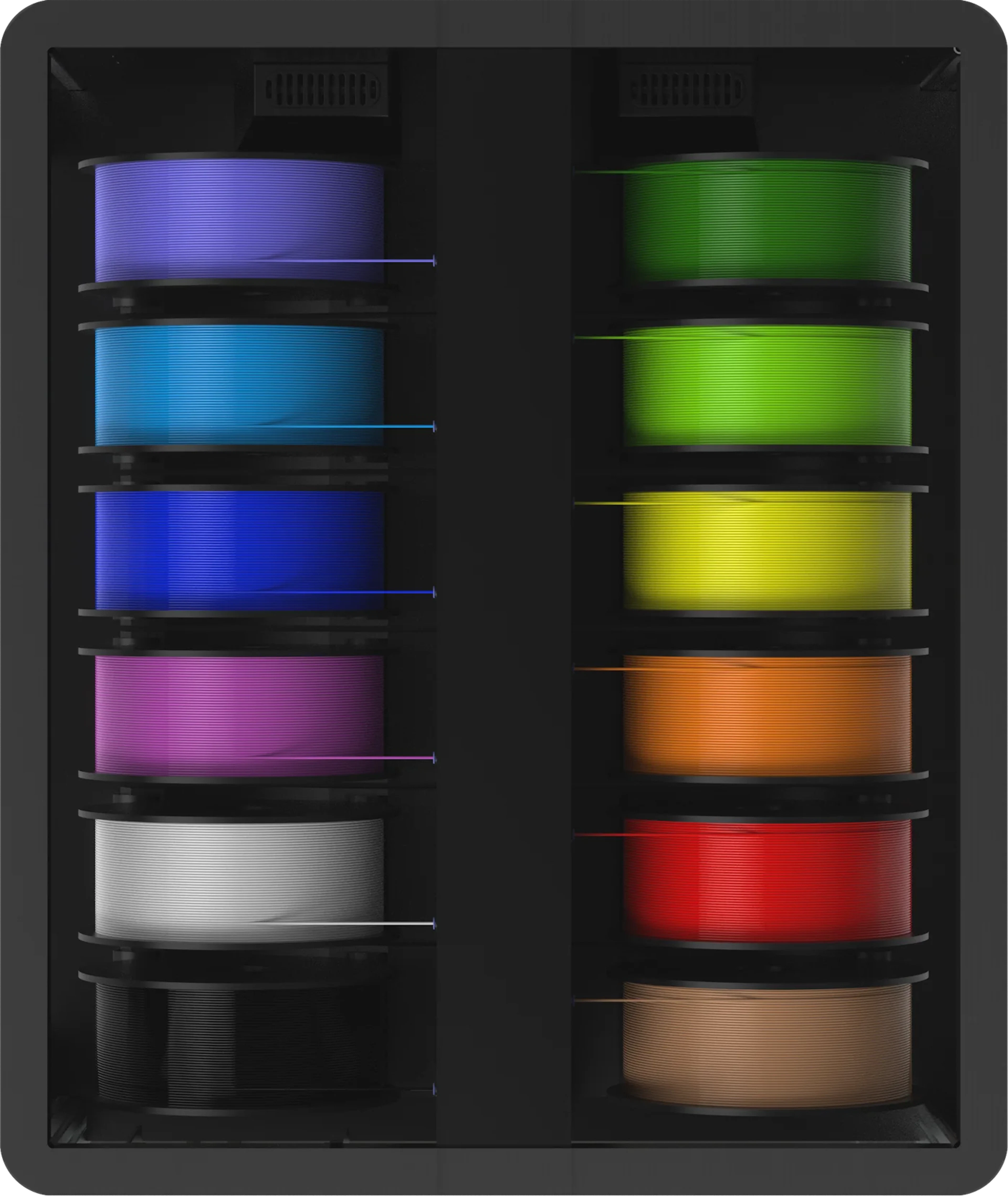
Twelve filaments on tap.
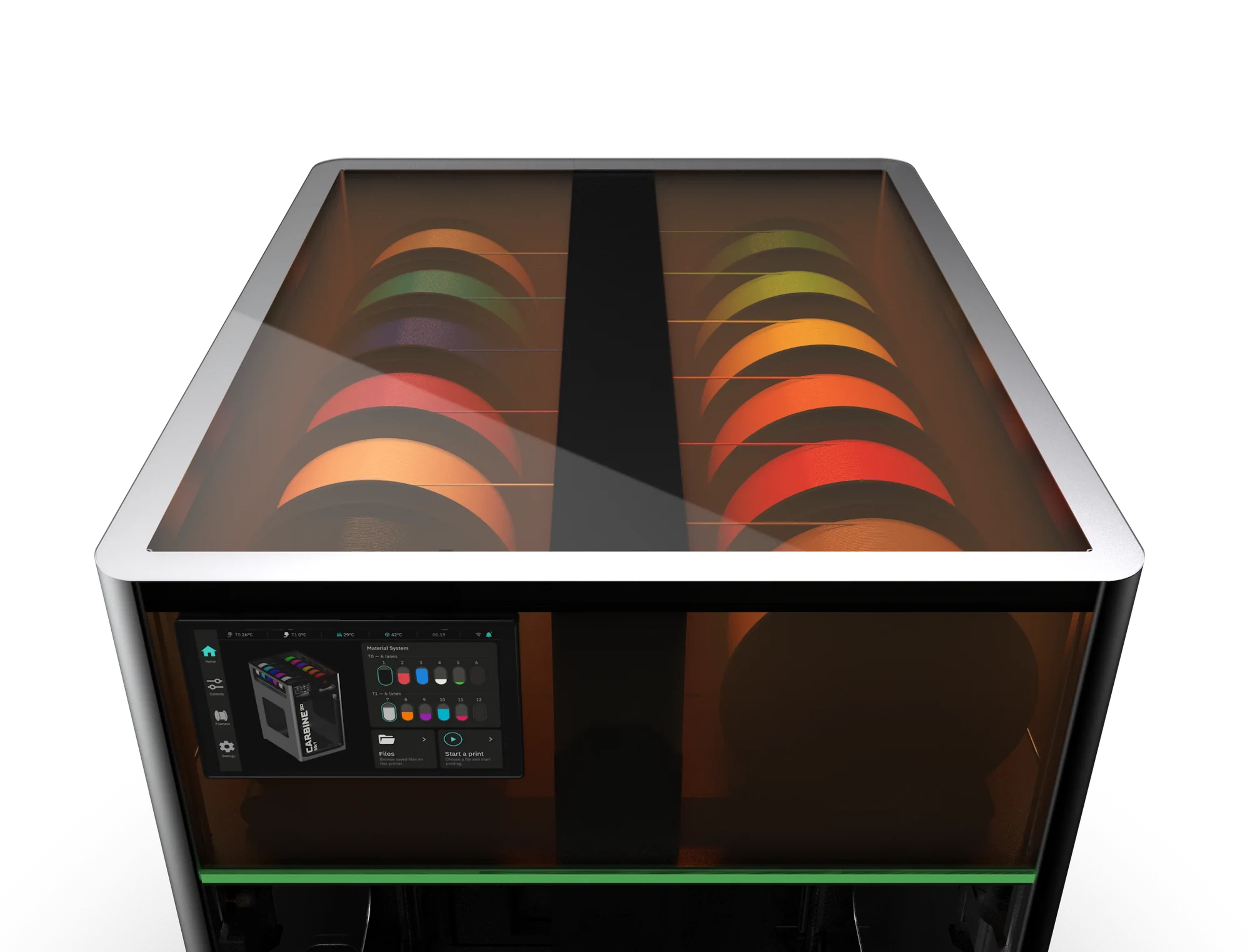
Load twelve spools. Print in twelve colors — or six colors and six materials, or one color with eleven backups queued behind it. Six channels feed each nozzle, so palette changes and material swaps happen without you in the room.
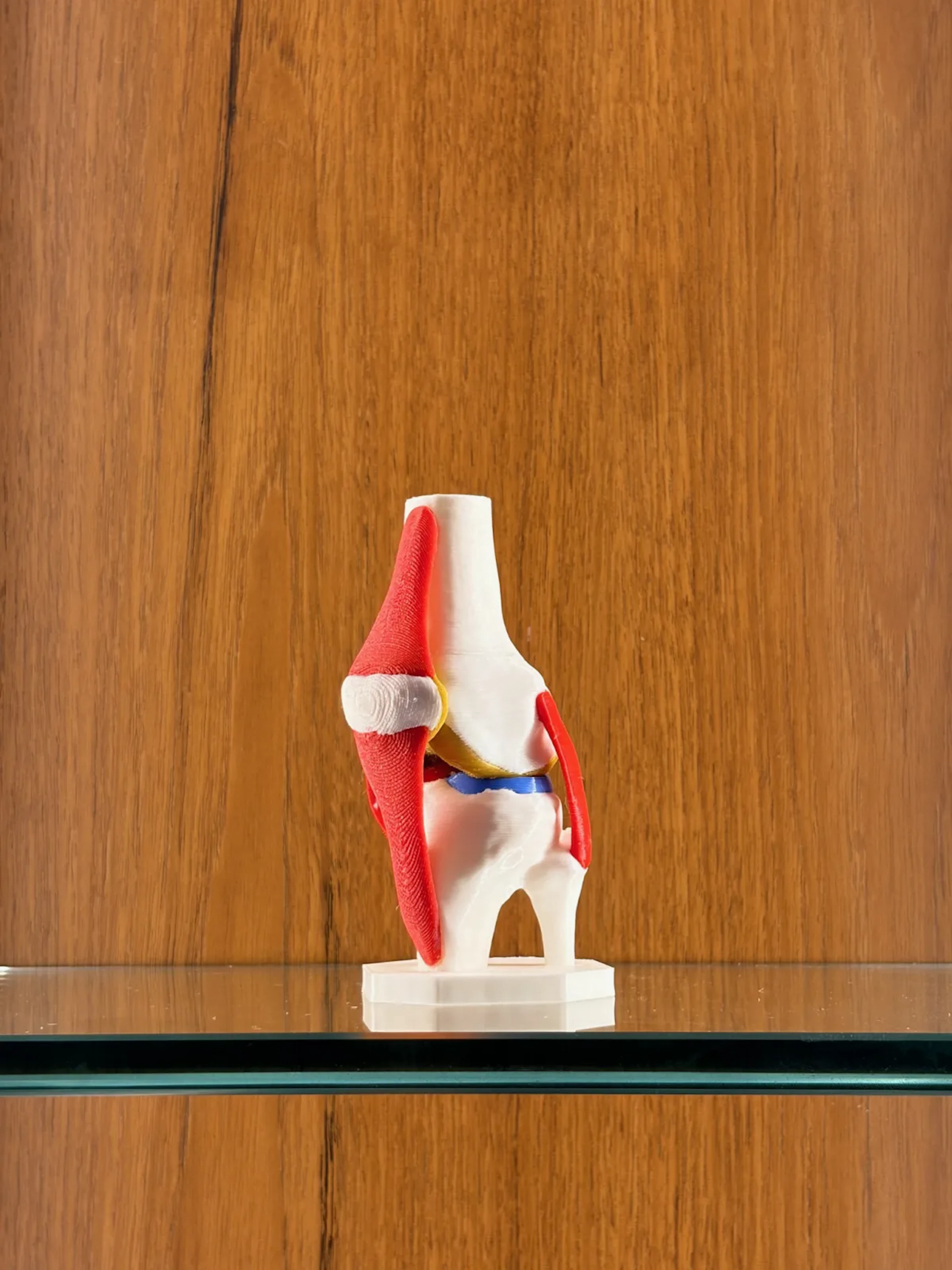
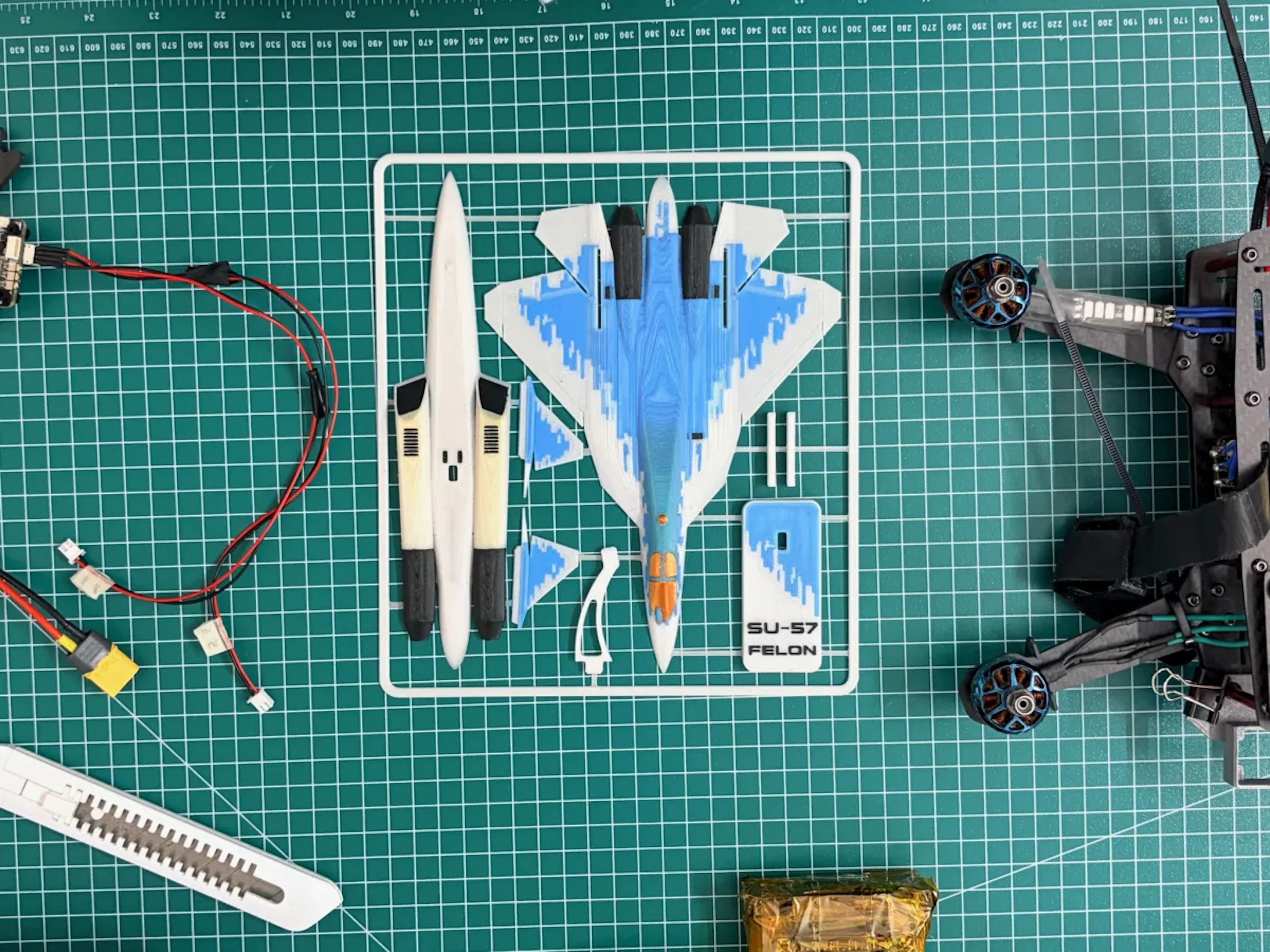



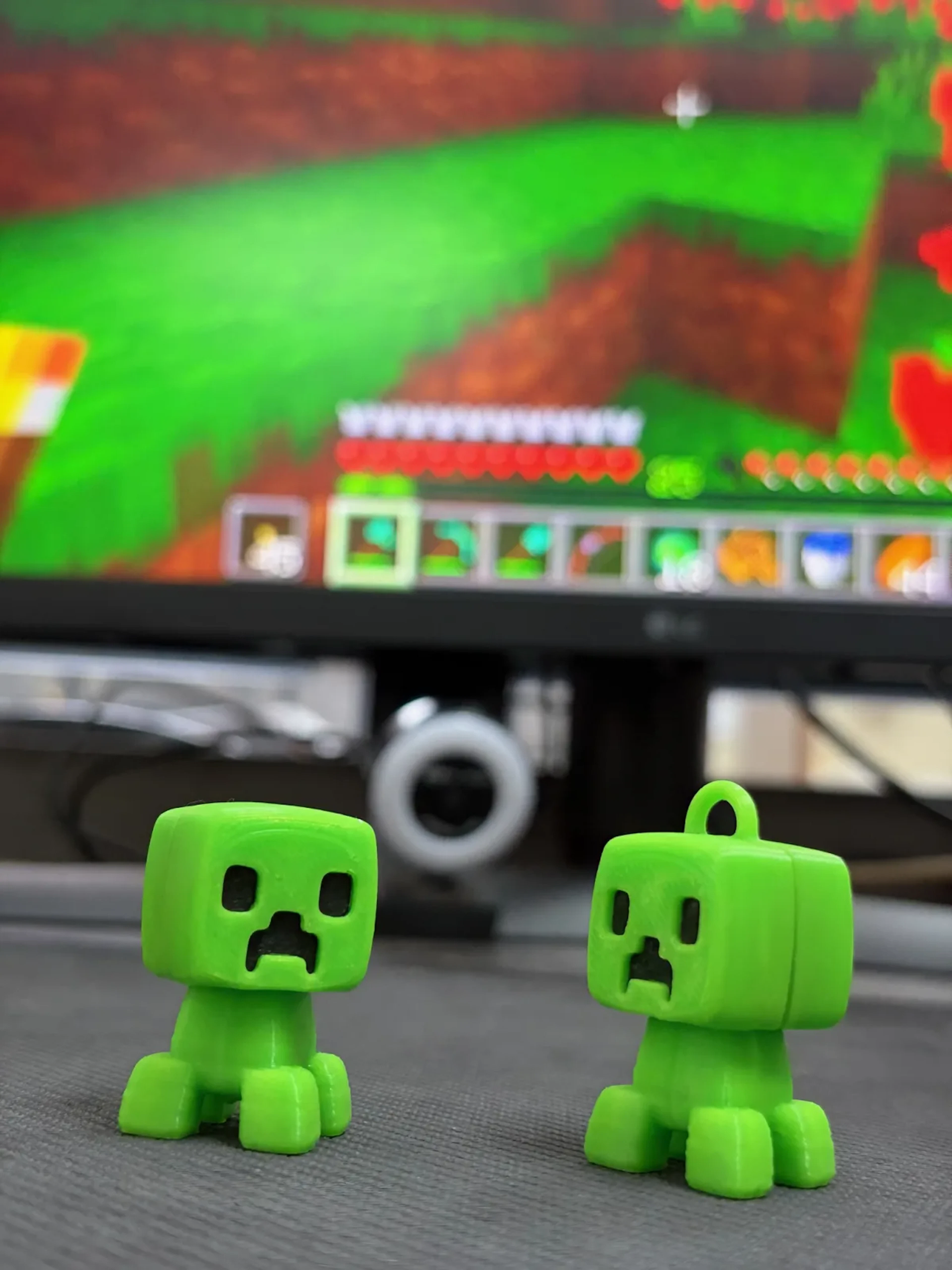


Scale
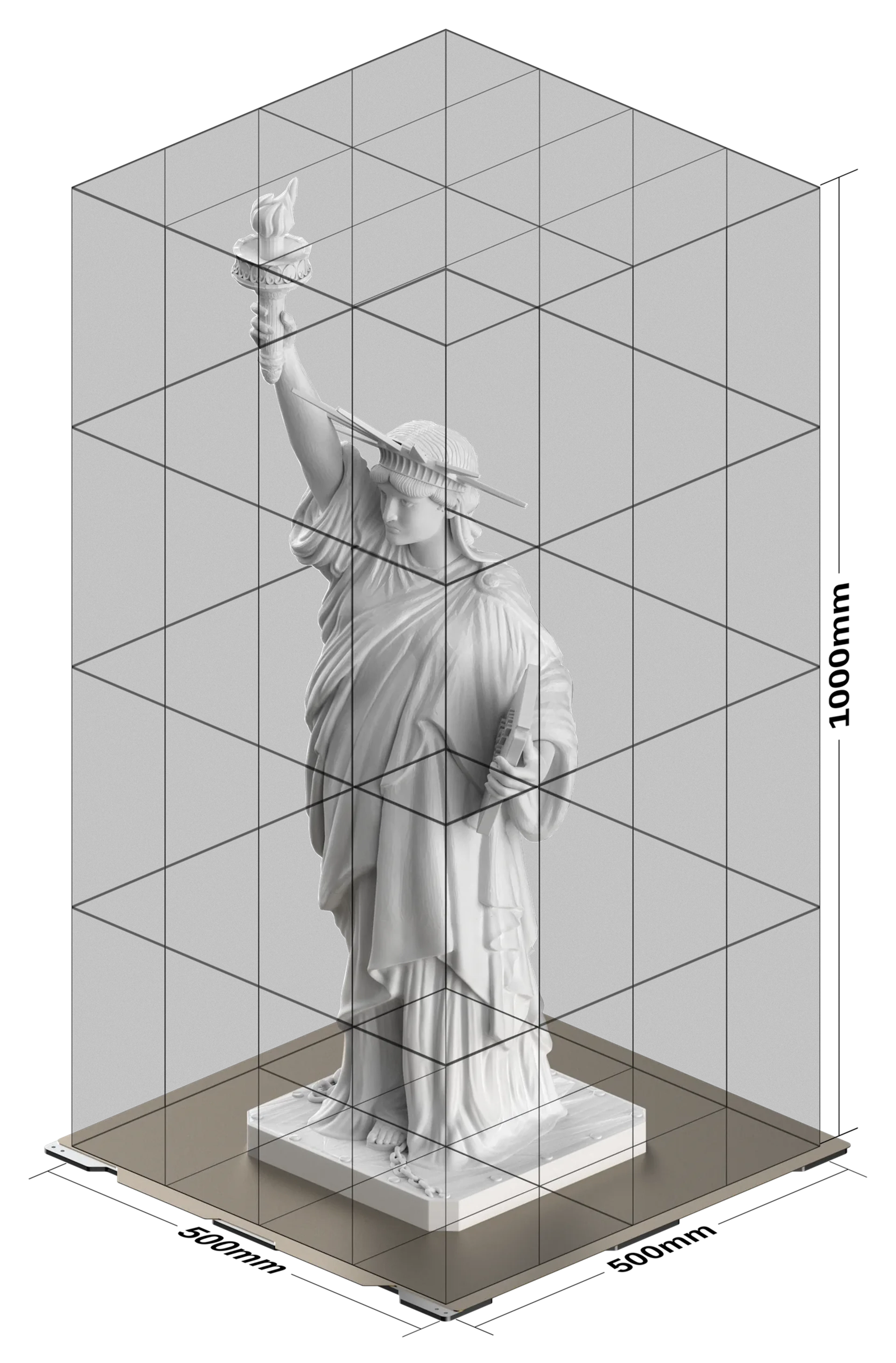
Half a meter wide. A full meter tall.
Most printers that call themselves “large format” top out around 350 mm. The Carbine3D Mk1 gives you half a meter in X and Y — and a full meter of Z. That’s 250 liters of uninterrupted build space: nearly fifteen desktop printers’ worth of volume, in one machine.
Dual Nozzle
Dual Nozzle
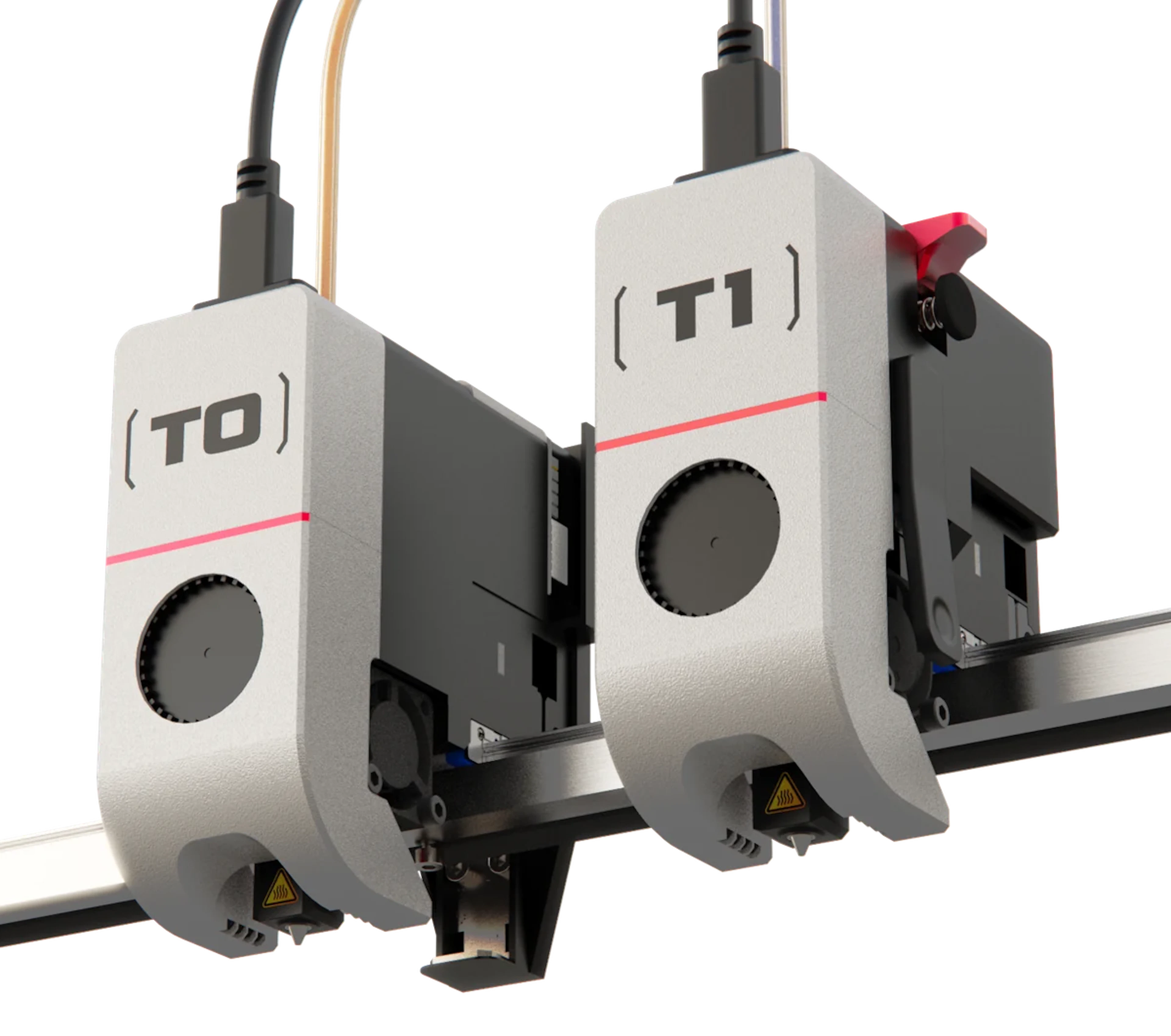
Copy & Mirror
Two prints in the time of one.
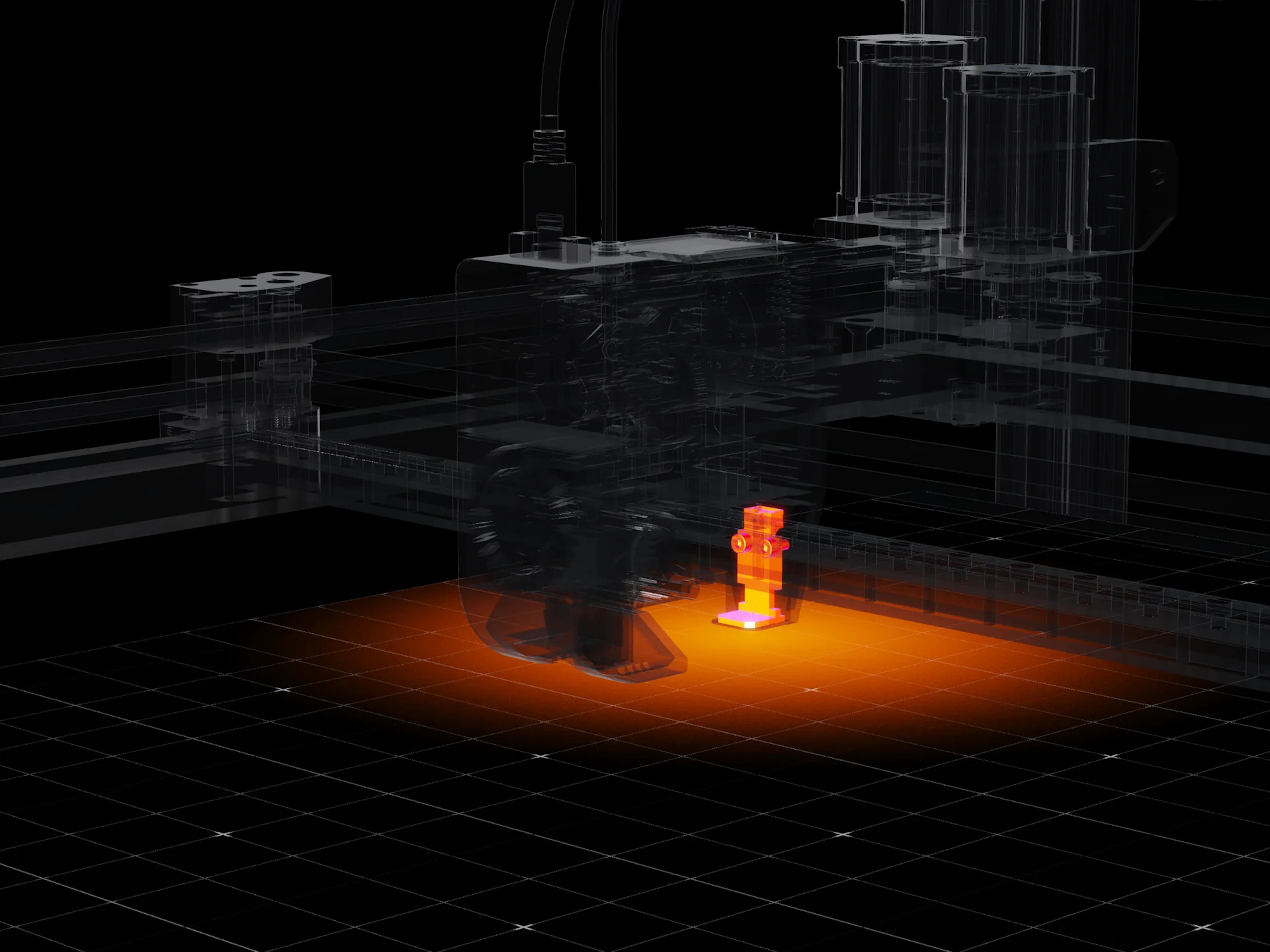
Each nozzle rides its own independent toolhead, so the Mk1 can print two parts at once — batches finish in half the time and go straight from the plate into the box.
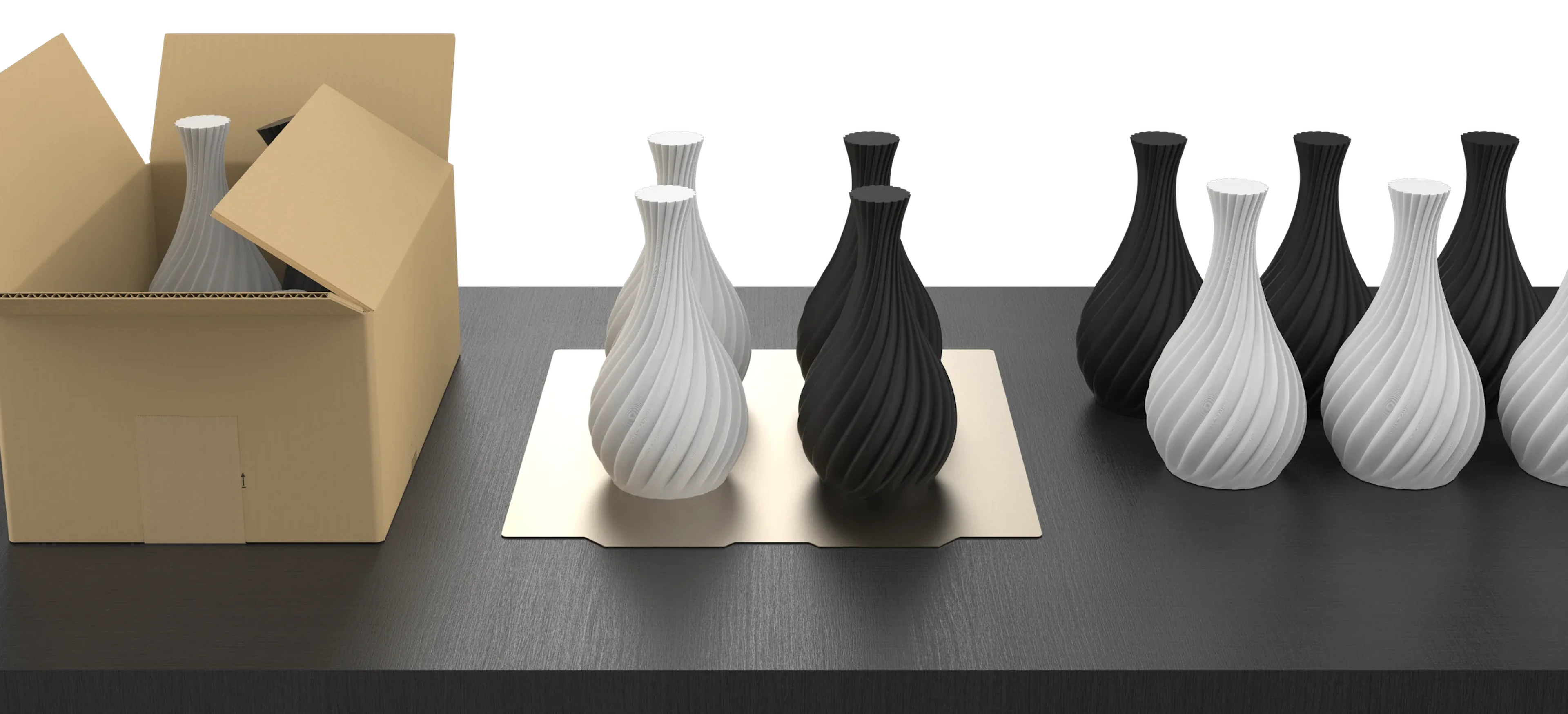
Copy mode
Both toolheads print the same part side by side — two finished pieces every run, in one color or two.
Mirror mode
One toolhead mirrors the other, so left- and right-hand parts come off the same plate together.
Twelve heated slots. No external dryer.
Twelve heated, actively dried slots keep every spool print-ready — so moisture-sensitive engineering filaments like PA, PC, and fiber-reinforced blends run straight from the bay without an external dryer.
 OFF
 ON
A thermally uniform build chamber.
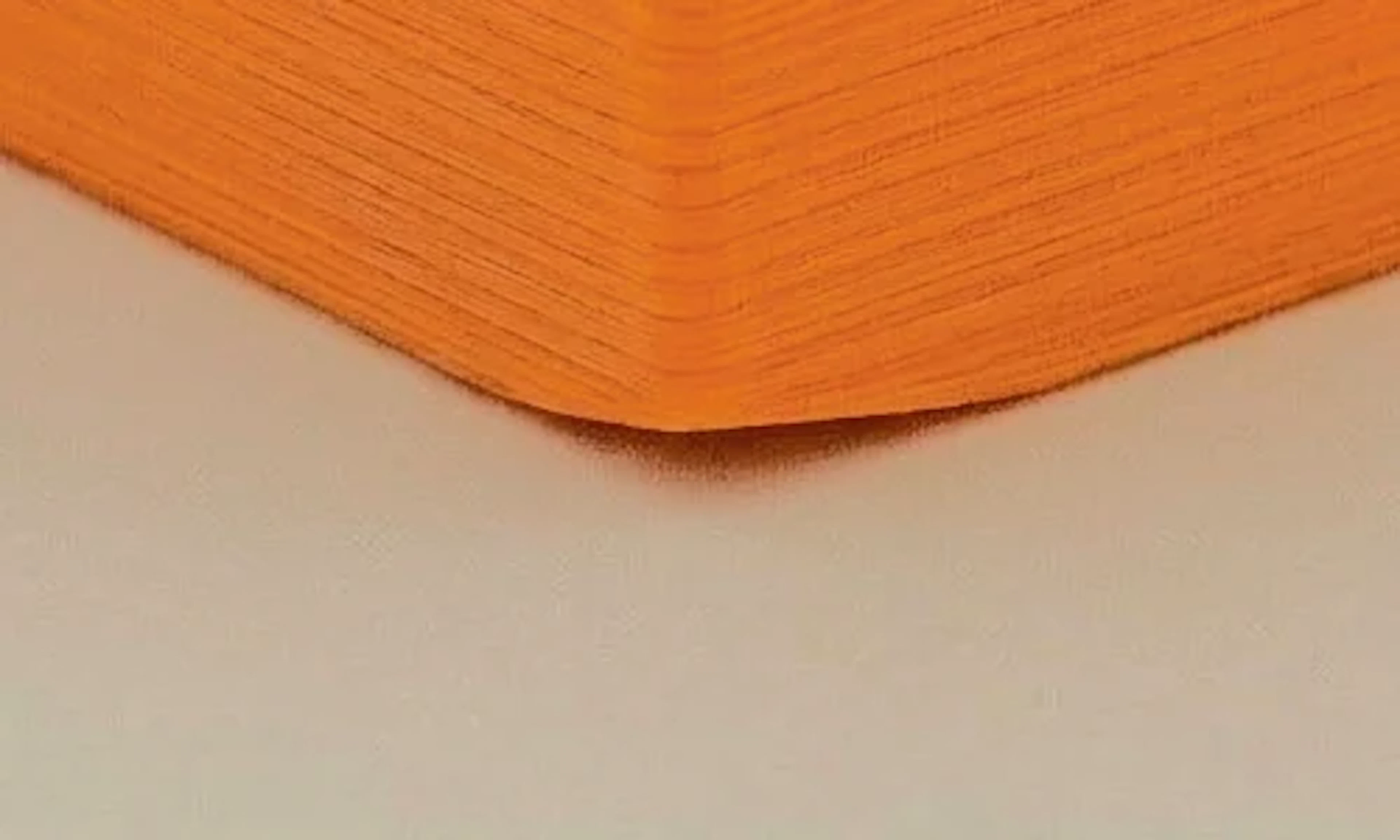
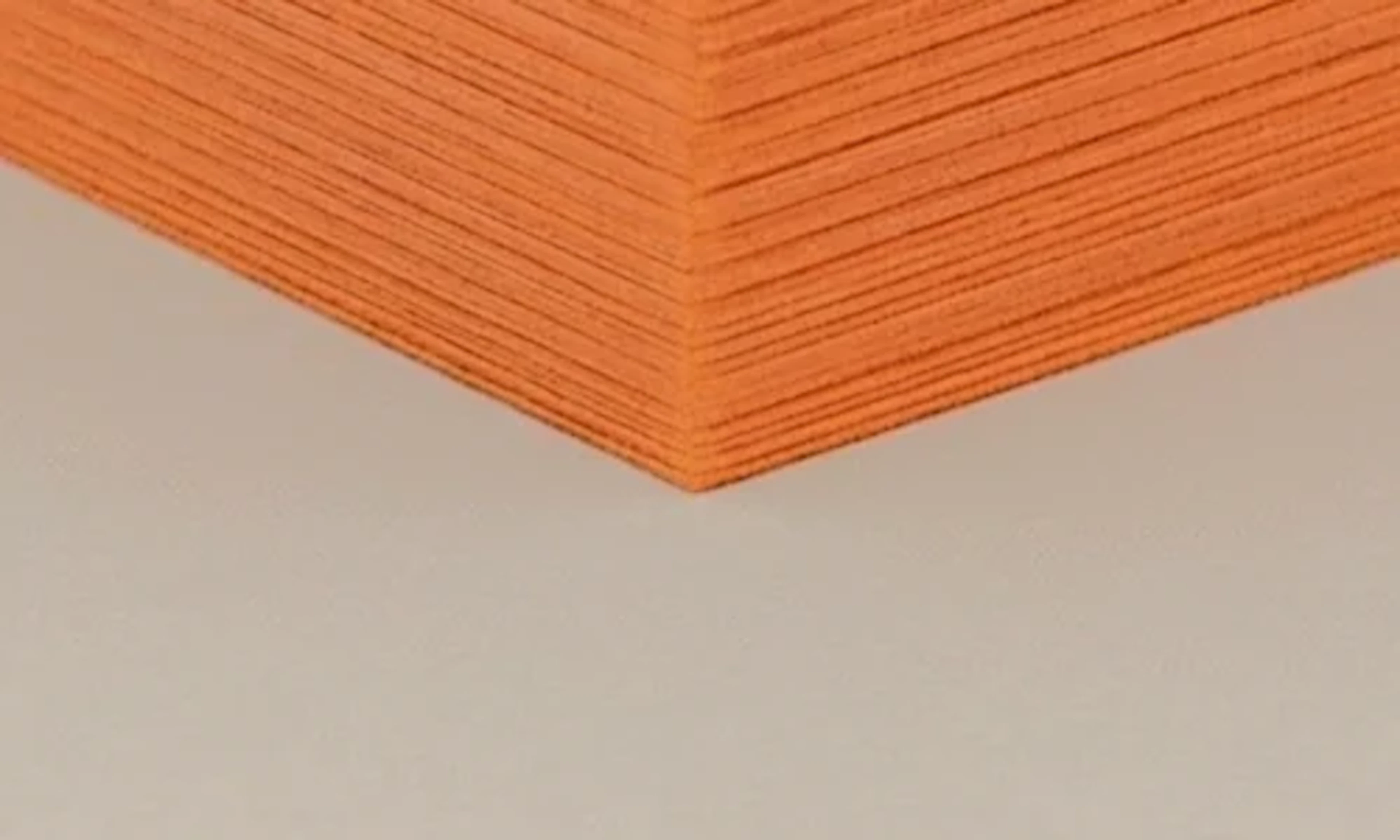
Active chamber heating holds a uniform temperature throughout the build volume, preventing the differential cooling that warps tall parts in ABS, ASA, and PC.
 OFF
 ON
Air filter.
Engineering materials release fine particulates and volatile compounds as they print. Three separate airflows keep the chamber hot, the spools dry, and everything that leaves the machine filtered.
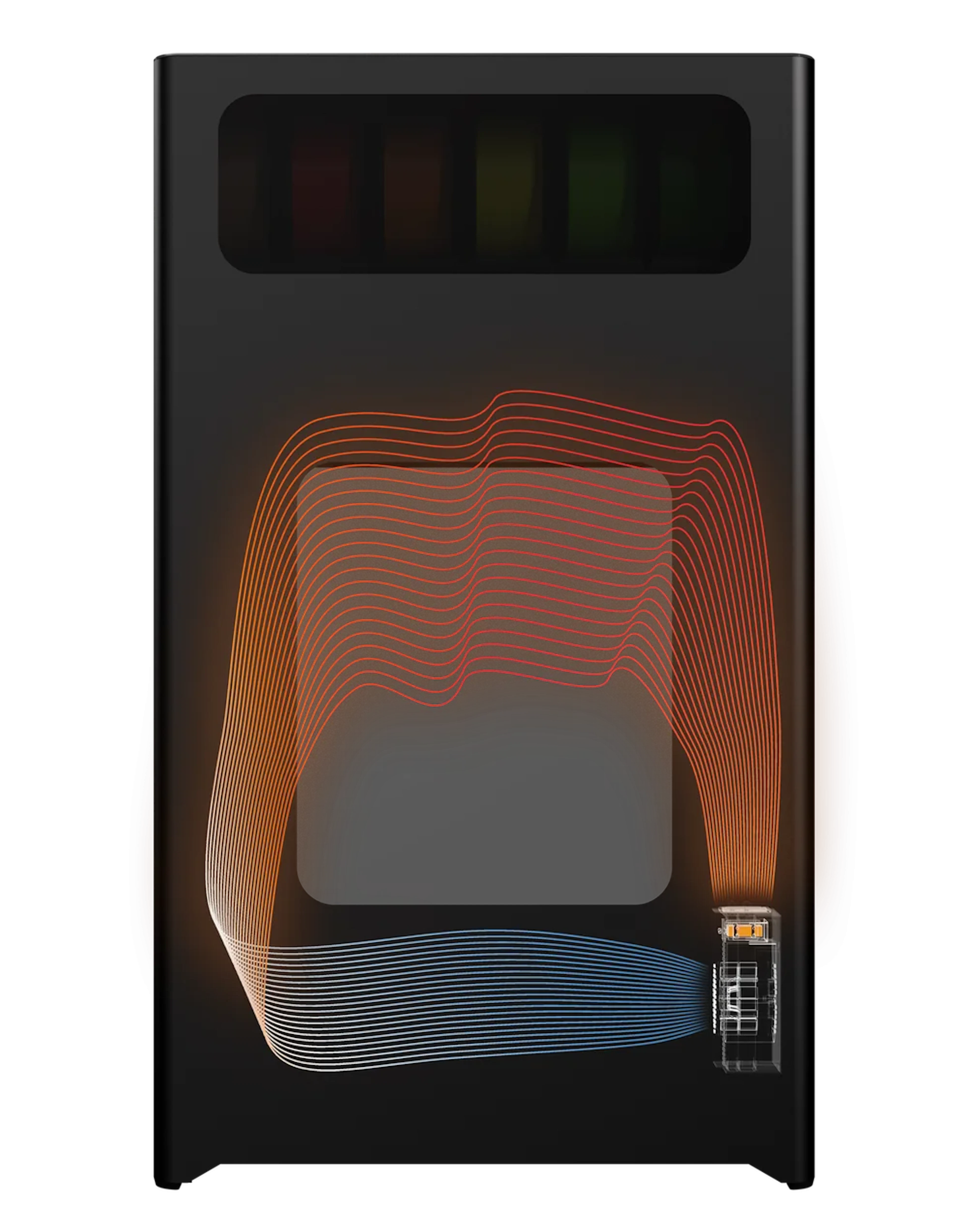
Chamber heater
Warm air loops the build volume to hold it at temperature.
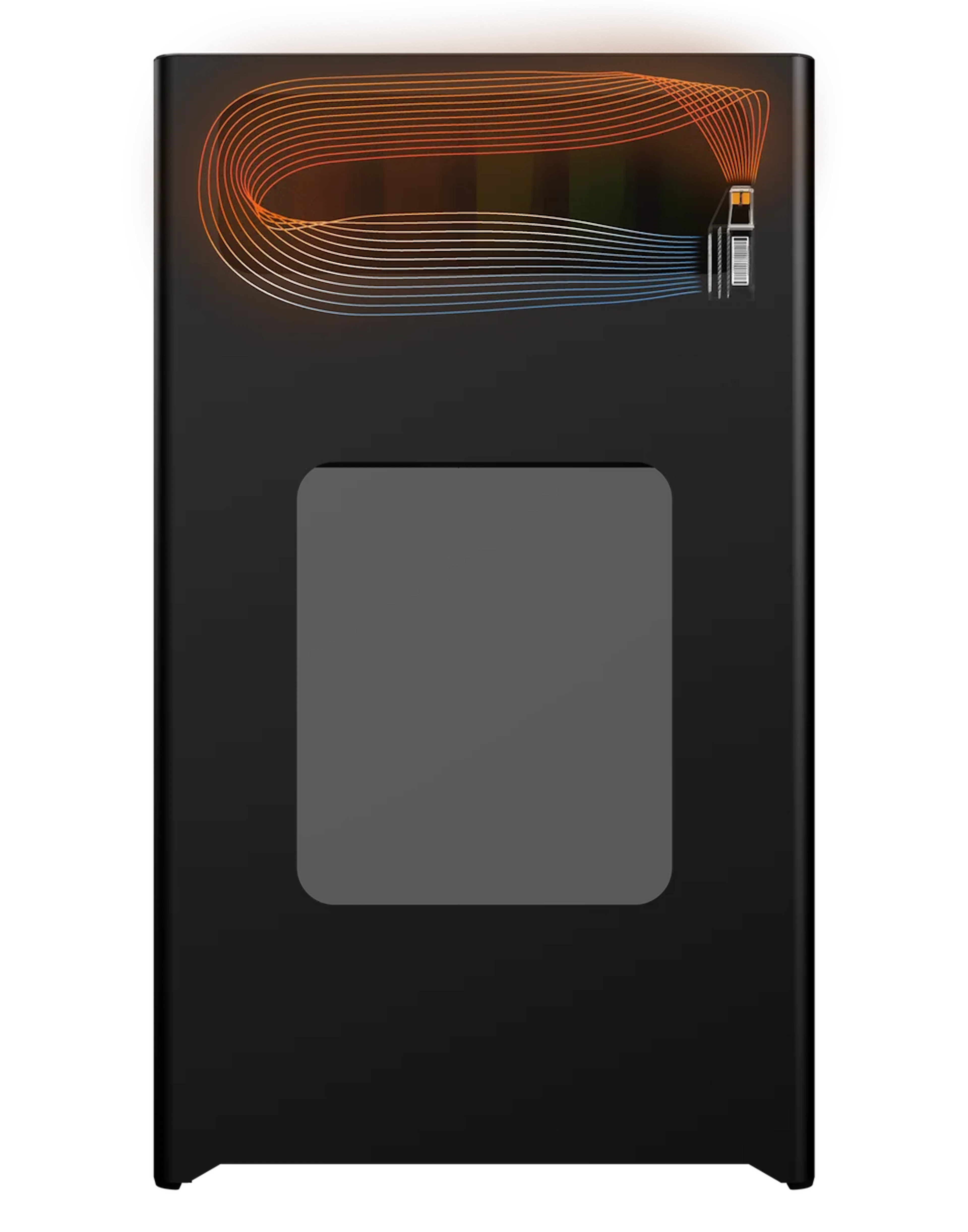
Filament bay heater
A separate loop keeps the twelve spools dry.
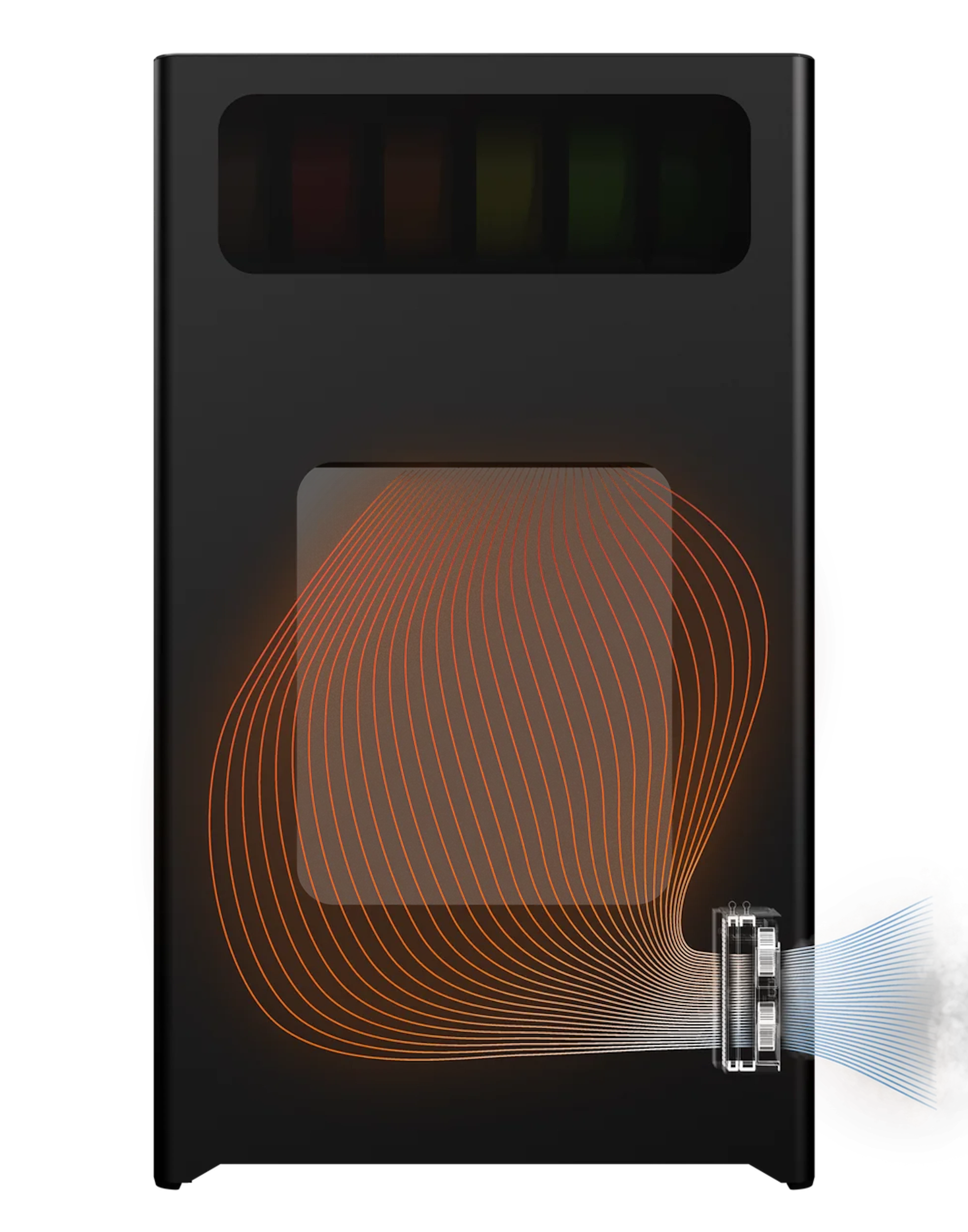
Chamber exhaust
Chamber air passes the filtration stack before it vents.
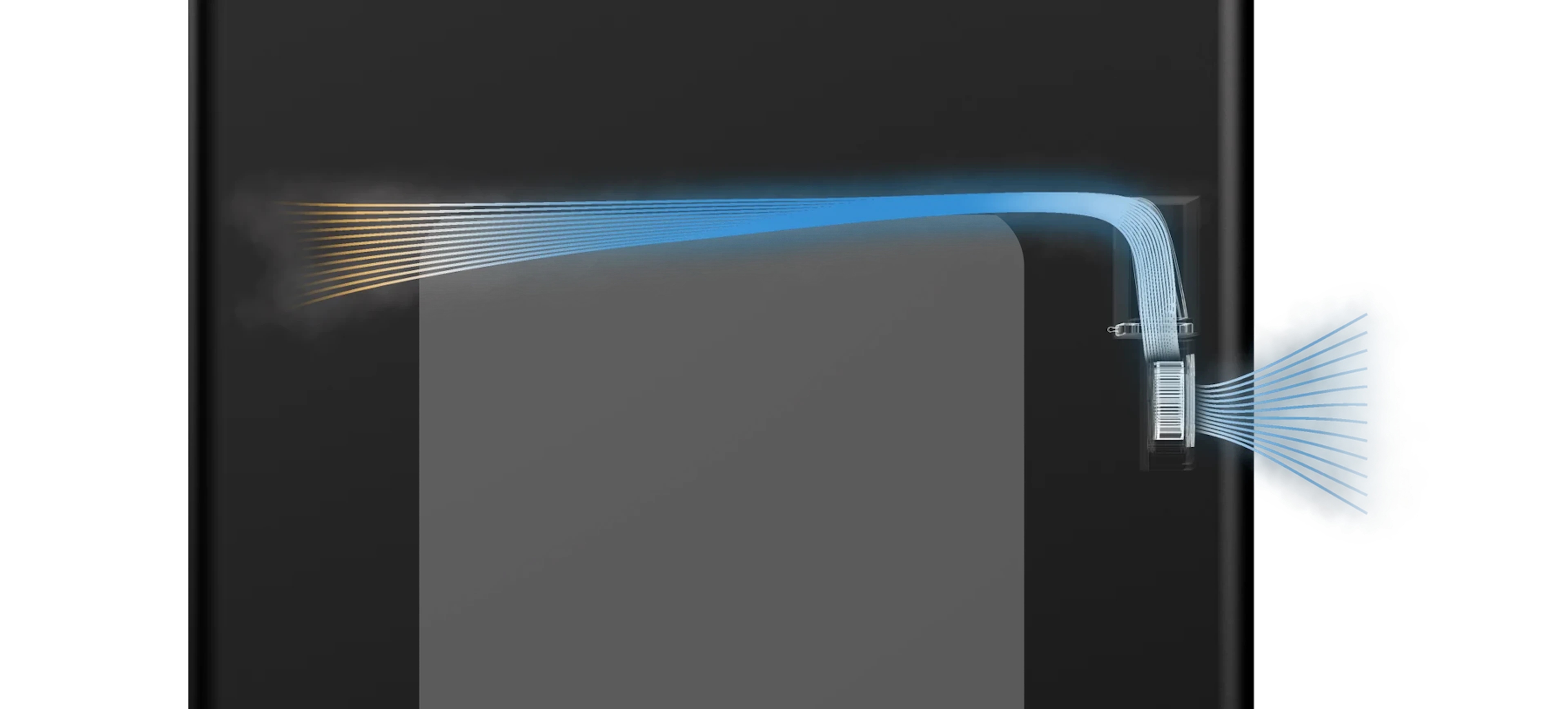
Part cooling.
A dedicated fan draws in fresh outside air and ducts it straight across the toolhead to the layer being printed, so every layer sets fast and crisp — sharp overhangs, clean bridges and fine detail, even with the chamber hot.
Intelligent print monitoring.
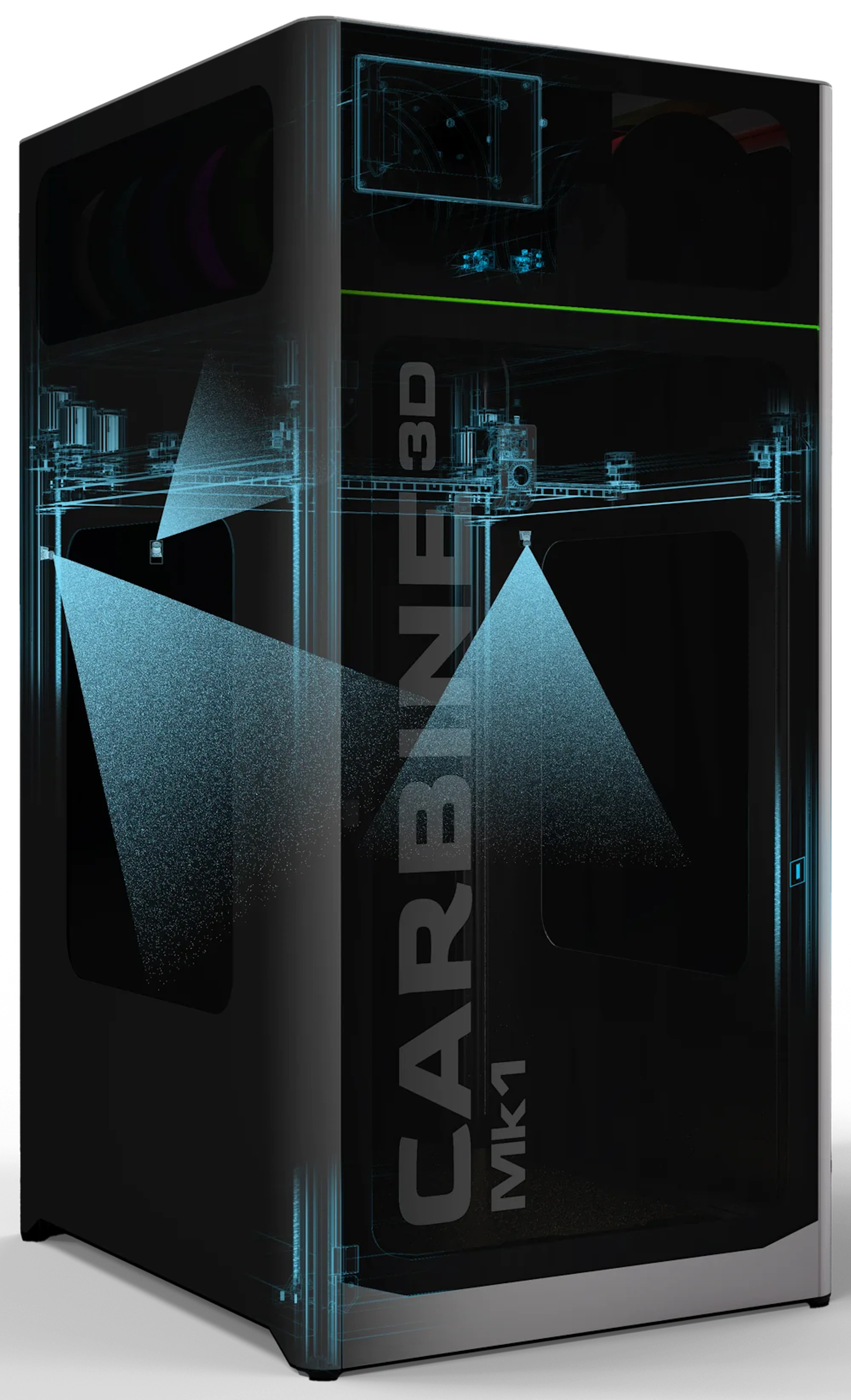
Equipped with 23+ sensors and onboard cameras, the Mk1 watches every layer as it prints, catching anomalies the moment they appear — so a multi-day job never fails unattended.
Spaghetti Detection
A camera watches every layer and pauses the job the moment a print detaches and turns to spaghetti.
Optical Calibration
Cameras optically calibrate flow, alignment, and nozzle offsets before every print — no manual tuning required.
Skew Correction
Detects and compensates for any skew across the axes, so parts come out square and dimensionally accurate.
Vibration compensation.
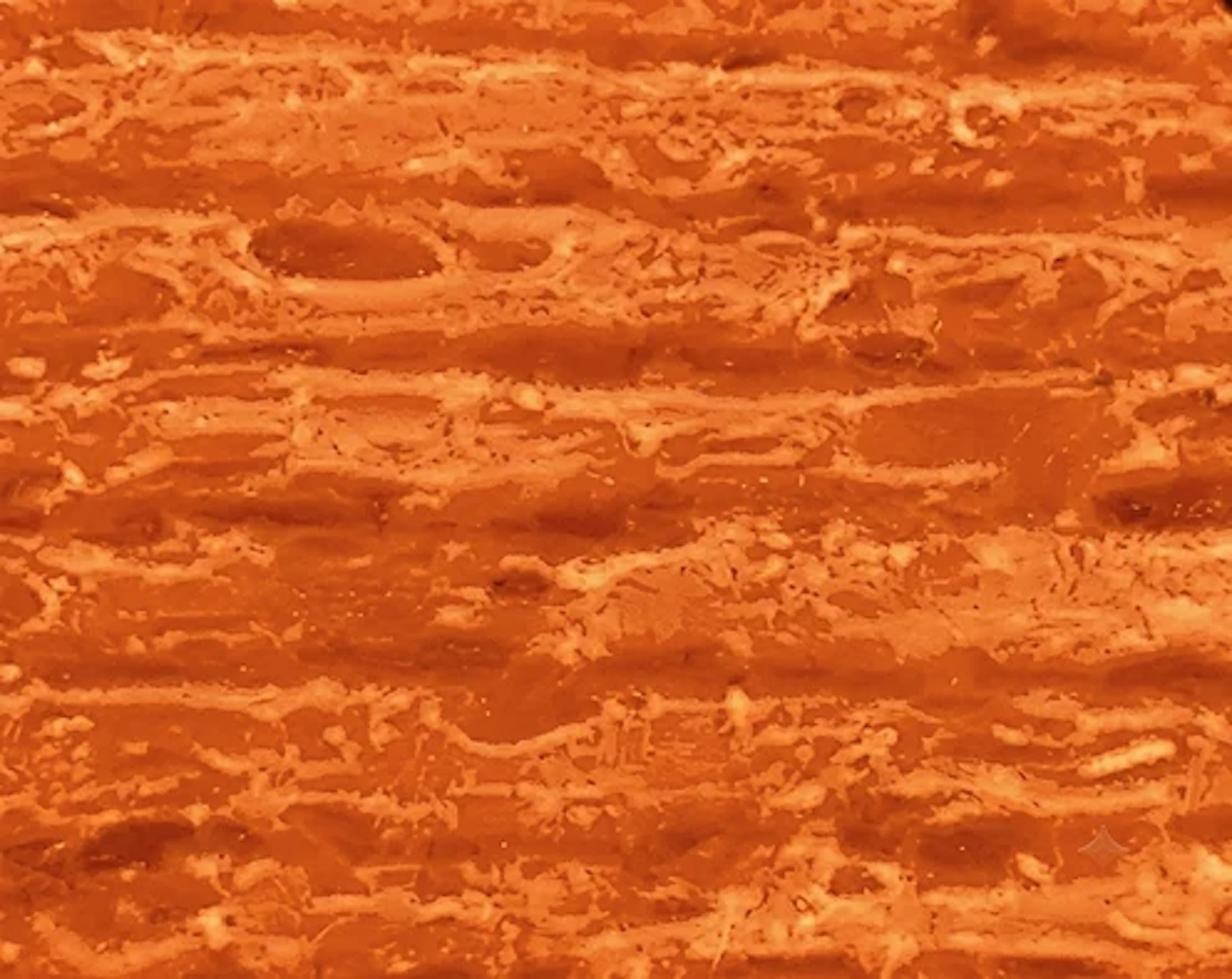
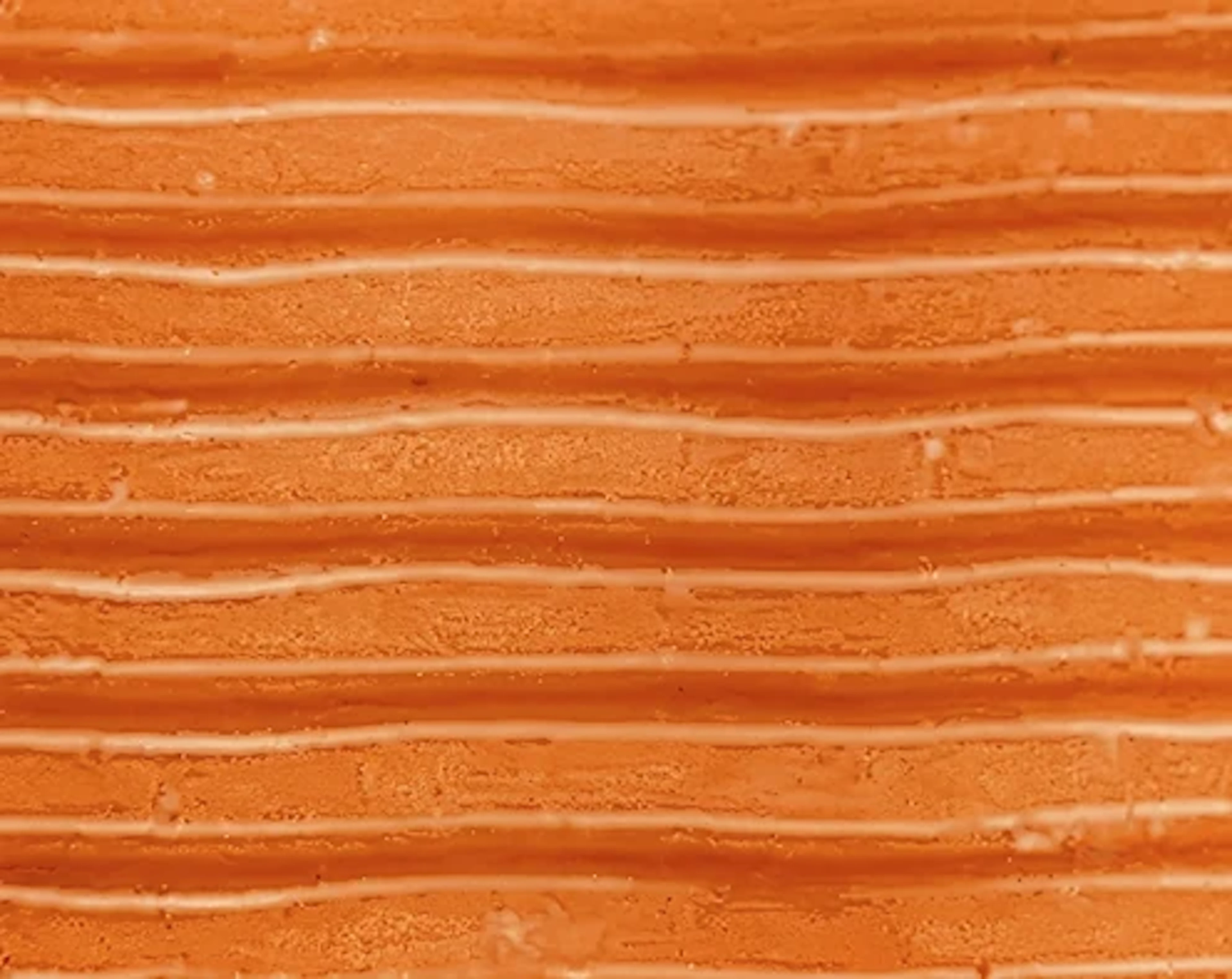
The faster the print, the more every vibration shows up as ringing and ghosting on its walls. The Mk1 measures its own resonance and cancels it in the motion planner, so surfaces stay crisp from the first layer to the last.
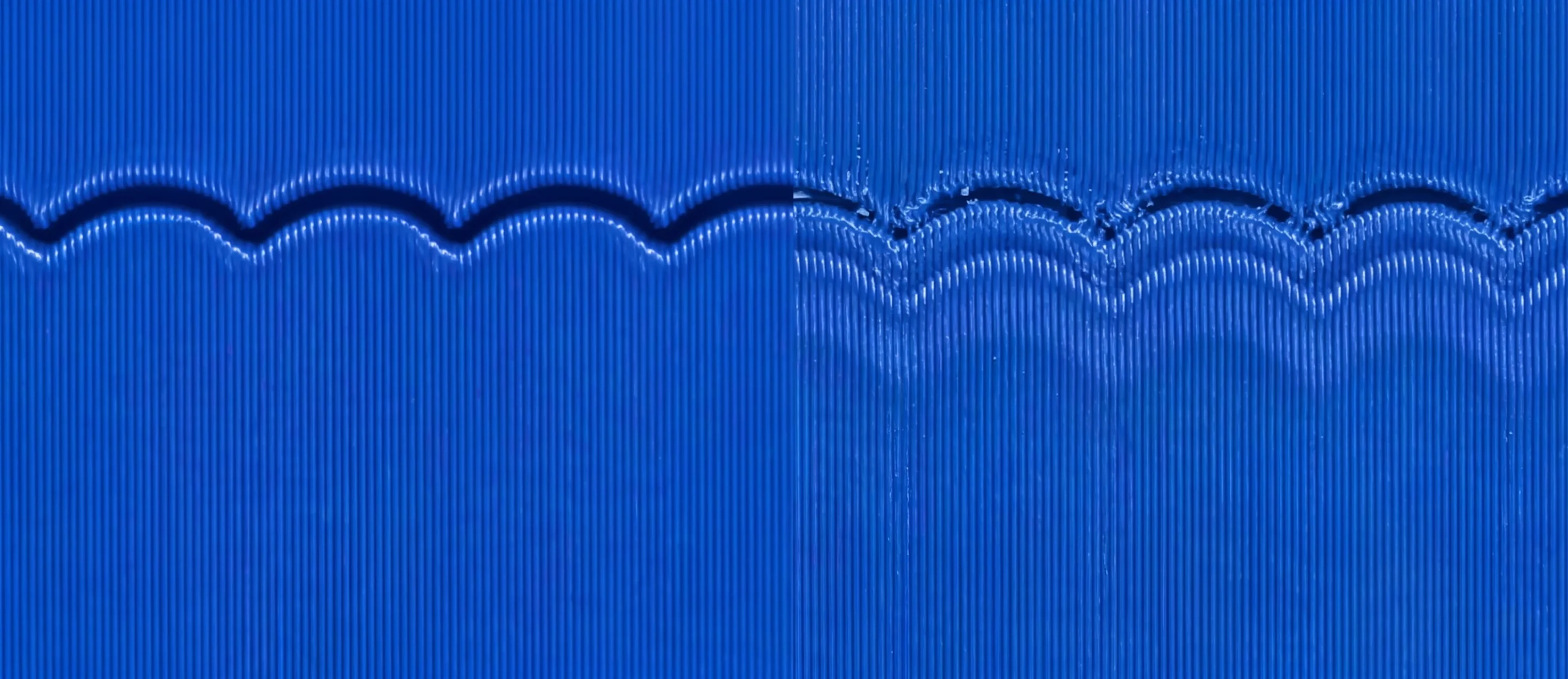 ONOFF
Eddy current bed mapping.
An eddy current sensor scans the build plate directly, mapping it in seconds with micron-level precision. The Mk1 compensates for every high and low spot in real time, so the first layer lays down perfectly across all 2,500 cm² — no manual leveling, no paper feeler gauge.